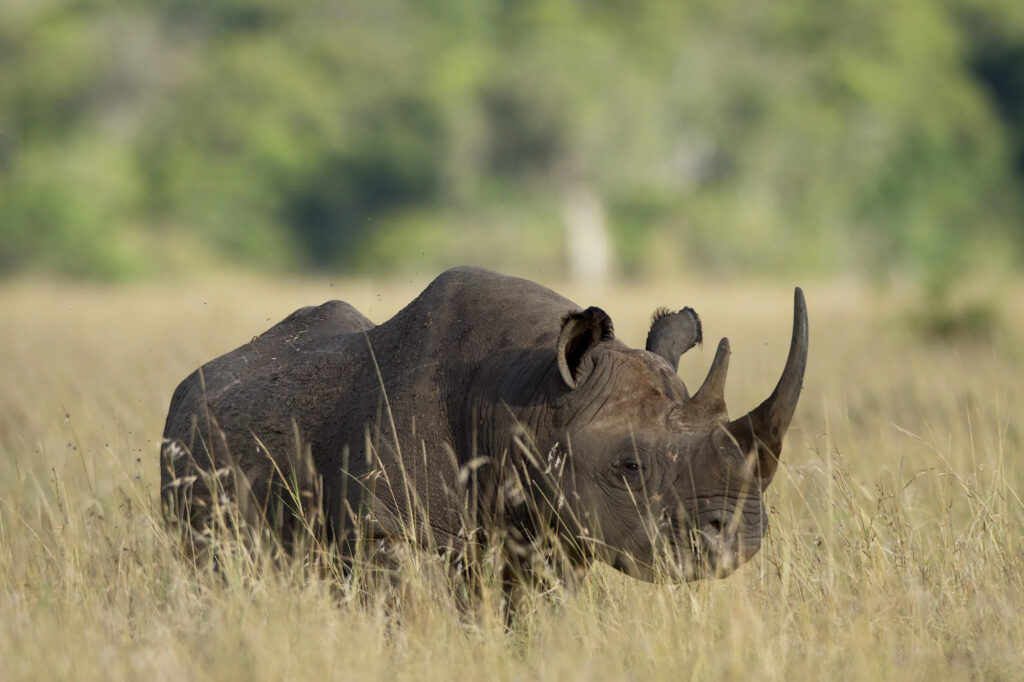
The Black Rhino Masai Mara experience is one of Africa’s most exclusive and meaningful wildlife encounters. Seeing this critically endangered species roaming free in the vast savannah is not just a safari highlight—it’s a testament to decades of dedicated conservation, community involvement, and cutting-edge wildlife protection.
This guide goes beyond surface-level safari tips. It blends conservation insight, real tracking experiences, and habitat knowledge to give you a complete, expert-driven resource aligned with Google’s E-E-A-T principles.
The Majestic Black Rhino of Masai Mara
The black rhino (Diceros bicornis) is smaller and more elusive than its white rhino cousin, known for its hooked upper lip adapted for browsing shrubs.
Black Rhino Habitat Masai Mara
In the Masai Mara, black rhinos prefer:
- Dense bushland and acacia thickets
- Riverine forests along the Mara River
- Low human-disturbance zones within protected conservancies
These habitats provide both food and cover, making sightings rare but incredibly rewarding.
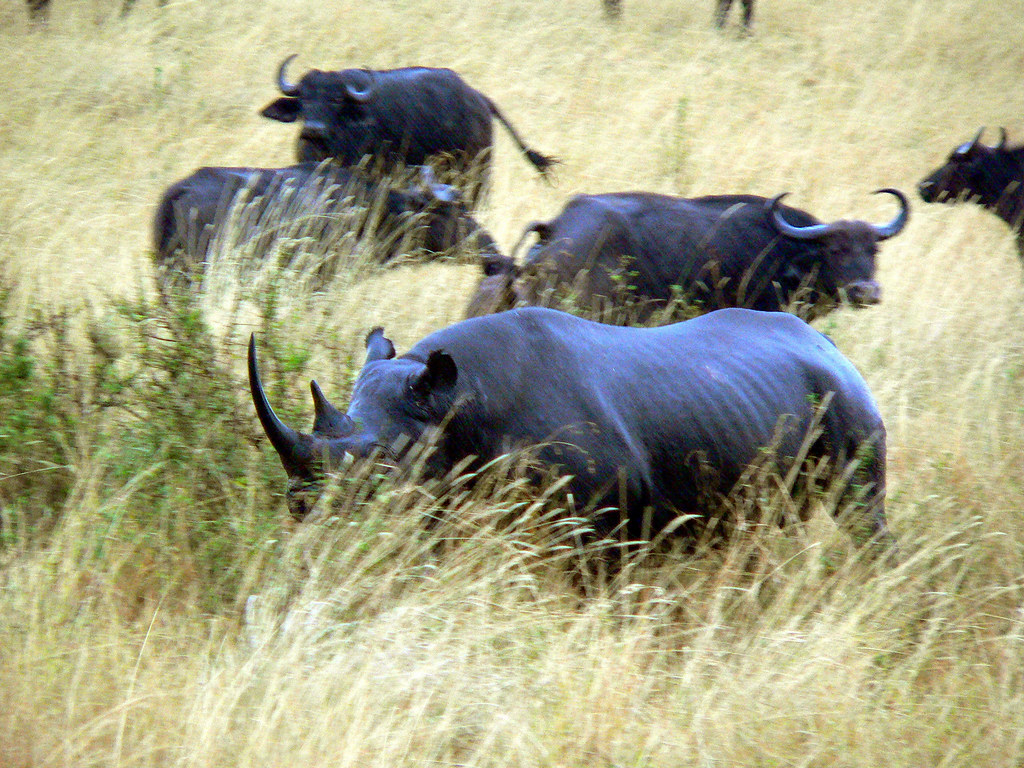
The Critically Endangered Black Rhino in Masai Mara
Once widespread across Kenya, black rhino numbers declined drastically due to poaching. Today, they remain one of the most protected endangered species in Masai Mara.
Why they matter:
- Keystone browsers that shape vegetation balance
- Indicators of ecosystem health
- A global conservation success story still in progress
Conservation Efforts for Black Rhinos in Masai Mara
Black Rhino Conservation Masai Mara
The survival of black rhinos here is driven by coordinated efforts between government agencies, conservancies, and communities.
Key conservation strategies include:
- 24/7 ranger patrols and aerial surveillance
- GPS monitoring and rhino identification databases
- Anti-poaching canine units
- Secure breeding zones and controlled translocations
How Masai Mara Supports Rhino Conservation
Revenue from tourism directly funds:
- Ranger salaries and equipment
- Community education programs
- Habitat restoration projects
This creates a strong link between sustainable tourism and long-term protection.
The Importance of Rhino Sanctuaries in Masai Mara
Masai Mara Rhino Sanctuary
Rhino sanctuaries play a vital role in population recovery by offering:
- Intensively protected habitats
- Safe breeding grounds
- Scientific monitoring and veterinary support
These sanctuaries have significantly improved calf survival rates and genetic diversity.
Best Ways to Spot Black Rhinos in Masai Mara
Masai Mara Black Rhino Sightings
Spotting a black rhino requires patience and expert guidance.
- Travel with experienced safari guides trained in rhino tracking
- Focus on early morning or late afternoon game drives
- Visit private conservancies bordering the main reserve
- Use binoculars—rhinos are often seen at a distance
Tips for Spotting Black Rhinos in Masai Mara
- Stay quiet and avoid sudden movements
- Follow your guide’s instructions at all times
- Be prepared for long tracking sessions
- Respect minimum viewing distances
These ethical practices ensure safety for both visitors and wildlife.
The blck Rhino Tracking Experiences in Masai Mara
Rhino Tracking in Masai Mara
Rhino tracking is a specialized wildlife experience led by trained rangers. It may involve:
- Following spoor (footprints and signs)
- Learning rhino behavior and territory patterns
- Understanding anti-poaching strategies on the ground
This immersive activity adds educational depth rarely found in standard safaris.
Black Rhino Habitat and Behavior in Masai Mara
Black rhinos are:
- Solitary and territorial
- Mostly browsers feeding on leaves, twigs, and shrubs
- Most active during cooler hours
Understanding their behavior dramatically increases your chances of a successful encounter.
Masai Mara’s Role in Protecting Endangered Species
Beyond rhinos, the Mara is a stronghold for:
- Lions, cheetahs, and leopards
- African elephants
- Vultures and other threatened bird species
This makes it a flagship landscape for biodiversity conservation in East Africa.
Wildlife Wonders of Masai Mara: Beyond the Big Five
Masai Mara Wildlife Experiences
While the Big Five attract attention, visitors are often surprised by:
- Serval cats and bat-eared foxes
- Over 450 bird species
- Seasonal Great Wildebeest Migration crossings
These experiences add immense value to any safari itinerary.
Masai Mara’s Diverse Wildlife: A Closer Look
The reserve’s ecosystem supports:
- Open grasslands for grazers
- Woodlands for browsers
- Rivers sustaining predators and herbivores alike
This diversity is why conservation success here has global significance.
Community Efforts to Protect Masai Mara’s Rhinos
Local Maasai communities are central to conservation success:
- Community scouts assist ranger patrols
- Livelihood programs reduce reliance on wildlife exploitation
- Conservation education builds future stewardship
When communities benefit, wildlife thrives.
Safeguarding Masai Mara’s Black Rhino Population
The future of the Black Rhino Masai Mara depends on:
- Continued funding through responsible tourism
- Strong law enforcement and technology
- Community empowerment
Every ethical safari visit contributes to this mission.
Conclusion: Why Tracking the Black Rhino in Masai Mara Matters
Tracking the black rhino in Masai Mara is more than a rare wildlife adventure—it’s a journey into one of Africa’s most important conservation stories. From protected habitats and dedicated rangers to community-led initiatives, the Mara proves that endangered species can recover when protection, tourism, and local support align.