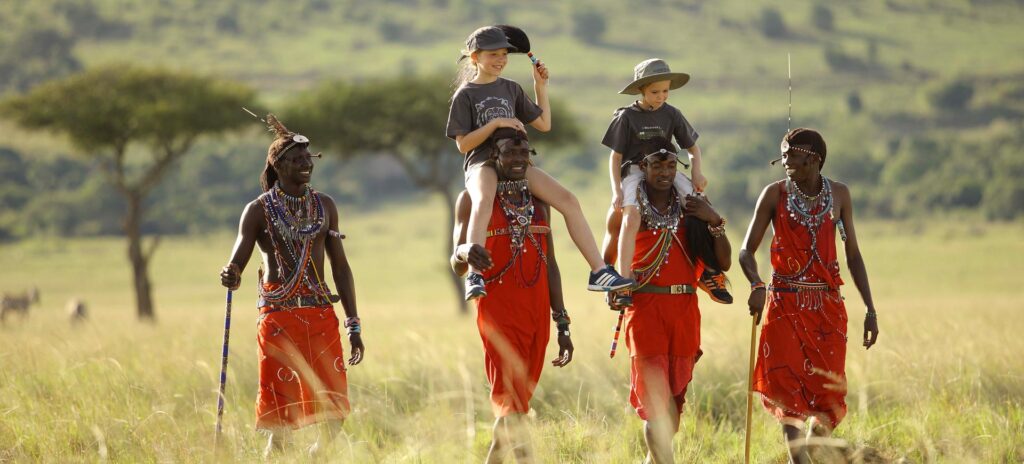
Why Masai Mara is a Top Safari Destination
Masai Mara National Reserve in Kenya is one of Africa’s most iconic wildlife destinations. Its vast savannahs, diverse animal species, and annual migration make it a dream spot for safari lovers. However, choosing the right month can enhance your experience significantly.
Best Time for the Great Wildebeest Migration
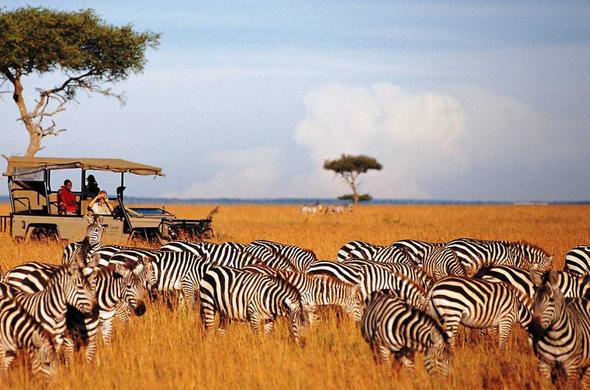
July to October is the best period to witness the Great Wildebeest Migration. During these months, millions of wildebeest, zebras, and gazelles move from Tanzania’s Serengeti into the Mara. This is nature’s most dramatic wildlife show, complete with river crossings and predator encounters.
The weather is dry and sunny, offering better visibility for game viewing. Animals gather around water sources, making them easier to spot.
Best Month for Big Five Sightings
September stands out as the ideal month for seeing the Big Five—lion, elephant, buffalo, rhino, and leopard. The vegetation is thinner, and animals are more active due to the comfortable weather. Tourists enjoy cooler mornings and warm afternoons, perfect for full-day safaris.
Best Time for Bird Watching in Masai Mara
November to April is perfect for birdwatchers. Migratory birds from Europe and North Africa arrive, increasing bird diversity. The landscape turns green after the short rains, attracting over 470 bird species.
If you’re into photography, this is a beautiful time to capture the vibrant contrast of birds and blooming flora.
Cheapest Time to Visit Masai Mara
April to June is the low season due to the long rains. However, this is the best time for budget travelers. Lodges and camps offer discounts of up to 50%. Although the rain can disrupt game drives, you’ll enjoy fewer crowds and peaceful experiences.
This off-peak season gives you more personalized attention and quieter game drives.
Avoid the Crowds
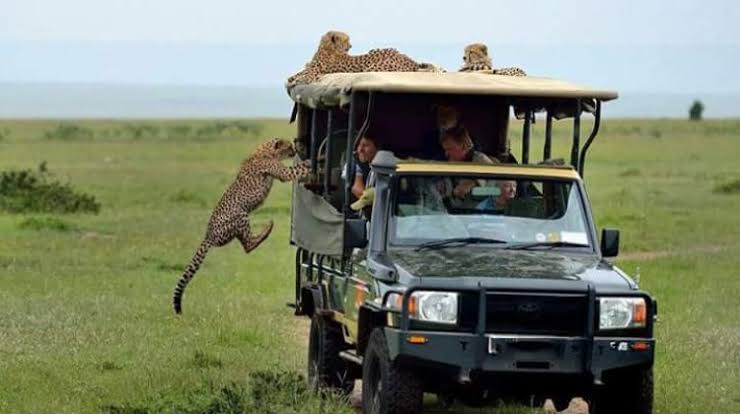
If you prefer privacy and fewer tourists, January and February are great choices. The short dry season brings excellent wildlife viewing without the large crowds seen in July and August. Predator sightings increase, especially around water holes.
You can still spot many animals, and the scenery is stunning under the clear skies.
Masai Mara Weather Guide by Month
- January – February: Dry, warm, great for wildlife and fewer tourists.
- March – May: Long rains, fewer visitors, lush green landscapes.
- June: Start of dry season, good wildlife sightings.
- July – October: Peak migration season, high tourist numbers, excellent game drives.
- November – December: Short rains, fewer tourists, ideal for birds and photography.
Final Verdict: Which Month is Best?
July to October remains the top pick for those who want to see the Great Migration and predators in action. September offers a perfect balance of good weather, big cat activity, and migration scenes.
If you’re after lower rates and a quieter atmosphere, visit between January and February or during the April to June green season.
Tips for Planning Your Safari
- Book early for July–October. Camps fill fast.
- Pack light clothing, binoculars, and sunscreen.
- Hire an experienced local guide for deeper insights.
- Choose eco-friendly lodges for a sustainable experience.
Masai Mara never disappoints, but the month you choose shapes the memories you create.